why do this
Hi.
I’m Michael.
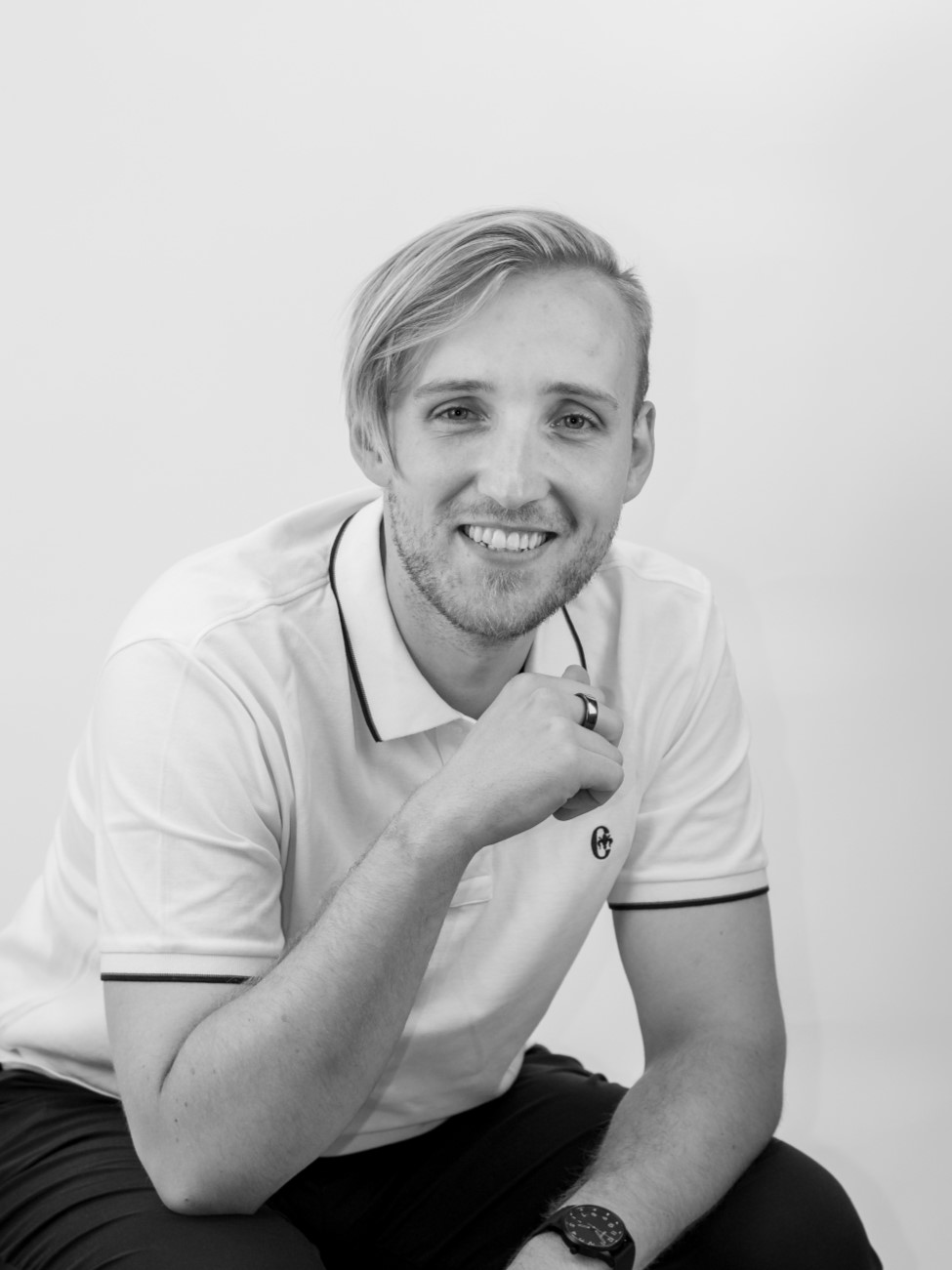
For the past 15 years, I’ve worked inside and around complex systems — corporate structures, teams, digital products, operational workflows — often through the lens of health, performance, and sustainability. I’ve managed large teams, run a restaurant, built and scaled online stores, worked on development, SEO and cybersecurity projects, designed documentation and value systems, and coached individuals and organizations on health and resilience. Alongside that, I’ve always been involved in movement arts and music projects.
None of these paths felt wrong — but none of them felt complete on their own.
What kept repeating was a deeper question: why do capable, motivated people struggle when the environment around them changes — even when nothing about their intelligence or intent has?
Most of us have felt this. You walk into a room and forget why you came. You work from your couch instead of a desk and feel scattered. You study in bed and sleep worse. During lockdown, familiar routines dissolved and attention became harder to hold. These aren’t personal failures — they are signals of how strongly structure and context shape judgment, energy, and behavior.
Over time, I started to look at these moments less as individual problems and more as system effects.
Frameworks — whether explicit or invisible — act like operating conditions for thought and action. They shape what we notice, what we ignore, what feels easy, and what feels impossible. Most of the time they evolve organically, unnoticed. When they stop fitting our environment, friction shows up as overwhelm, confusion, or stagnation.
This site is a public lab for exploring how human-centered systems work — especially in high-stakes environments where pressure, responsibility, and real consequences are present. I don’t aim to explain life or human nature. I focus on concrete systems: workflows, interfaces, decision structures, and the assumptions embedded in them.
I’m interested in how restructuring inputs and outputs — rather than blaming people — can help humans relate to technology, work, and each other in healthier, more sustainable ways.
This work starts with the body, the brain, and the environments we move through — but it stays grounded in observation, structure, and responsibility. I share only what I’ve examined closely, and I try to keep meaning downstream of reality.
And yes — I’m doing this for myself first.
Building and naming these structures helps me think more clearly and live more deliberately. If any of this helps you do the same, or gives you language for things you’ve felt but couldn’t quite articulate, then this space is doing its job. You’re welcome to explore alongside me.